


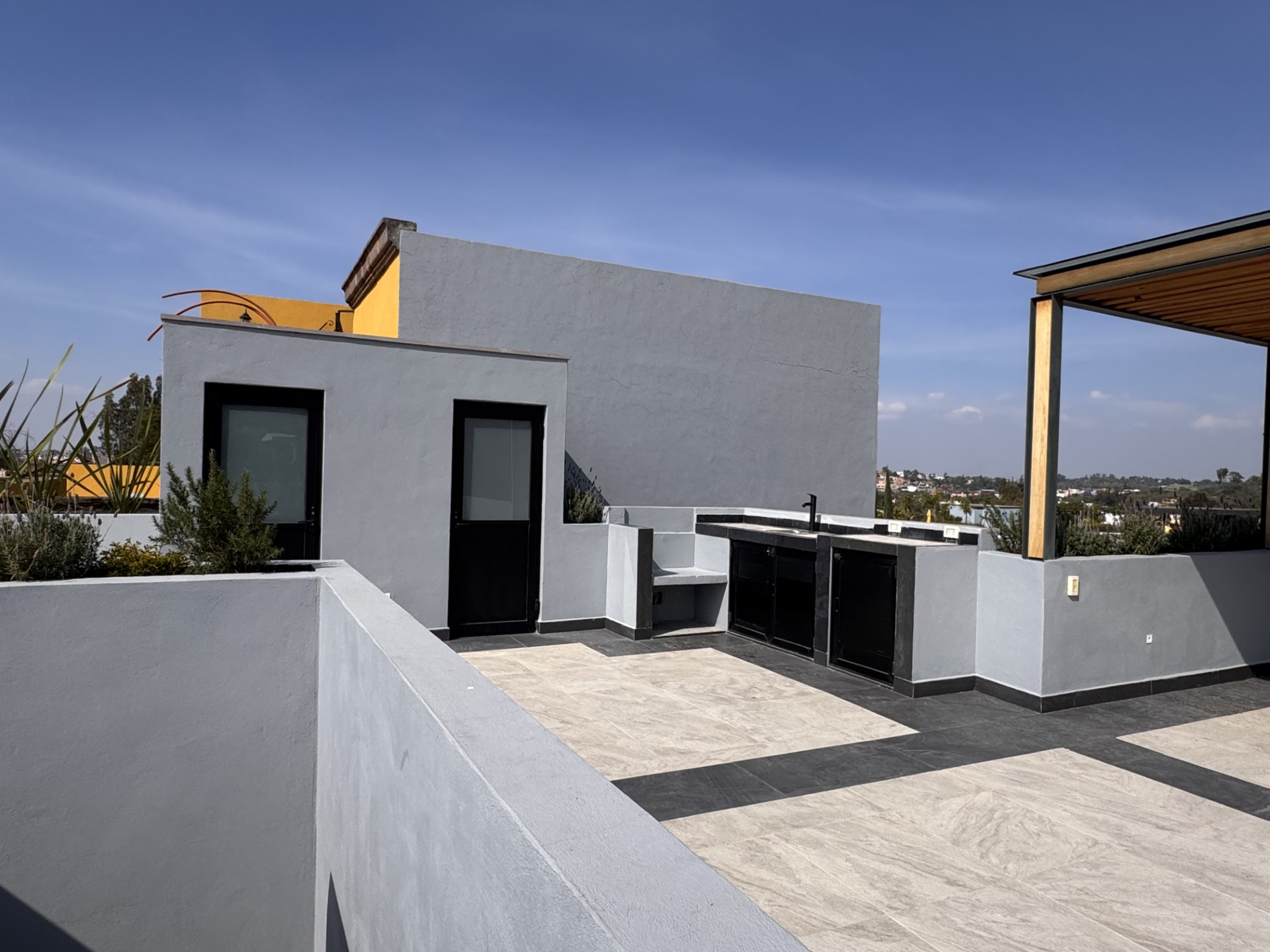
San Miguel de Allende attracts buyers from all over the world. Many come for the historic streets, art scene, and easy everyday rhythm. Another strong attraction lies in the numbers. Property taxes in Mexico often feel low compared with many parts of the United States and Canada, and San Miguel follows the same pattern.
Even with that advantage, buyers still need a clear view of ongoing expenses. Smart planning helps you choose the right home, set a realistic budget, and enjoy your investment without stress. This guide explains how property taxes in Mexico work, how property taxes in San Miguel de Allende are calculated, and which annual ownership costs you should consider before you buy.
How Property Taxes in Mexico Work
In Mexico, municipalities charge an annual property tax called “predial.” This tax goes to the local government and helps fund services such as street maintenance, lighting, and parks. When buyers research property taxes Mexico, predial is the main item they see.
Predial is usually calculated as a small percentage of the property’s assessed, or cadastral, value. The cadastral value often sits below true market value. That structure keeps tax bills relatively modest in many regions. In a lot of cases, owners of high value homes pay amounts that feel surprisingly low compared with big city property tax bills in other countries.
Every municipality sets its own rates and rules. Some adjust cadastral values from time to time. Others offer incentives for early payment or for prompt settlement of past due balances. Because of this, buyers should always ask for specific details in the area where they plan to purchase. The general pattern for property taxes in Mexico is consistent, yet the exact numbers always depend on the local authority.
Property Taxes in San Miguel de Allende: What to Expect
San Miguel de Allende sits in the state of Guanajuato and follows the standard predial system. The local government calculates property taxes San Miguel de Allende based on the cadastral value assigned to each property. Owners then pay this municipal tax once per year.
For many foreign owners, the total feels modest compared with their home city. It is common to see annual municipal taxes on a typical home come to only a few hundred U.S. dollars. Even high-value homes often pay less than similar properties in major North American markets. Specific amounts vary, but the general impression for buyers is that property taxes in San Miguel de Allende rarely create a heavy burden.
Timing matters. The municipality usually offers discounts for early payment in the first months of the year. Paying in January often brings the highest discount. February usually comes with a slightly smaller one, and by March, you tend to pay close to the full amount. Foreign owners who plan ahead and pay early can save a meaningful sum over a long period.
San Miguel de Allende provides several ways to pay. Many owners use the city’s online payment system and pay with a card from abroad. Others prefer to pay in person at municipal cashier points while they are in town. Unlike many counties in the United States, the city does not always mail a paper bill to foreign owners. You or your local representative must check the amount each year and arrange payment.
One-Time Taxes Versus Annual Costs
When you look at property taxes Mexico, it helps to separate purchase costs from long-term ownership. At closing, buyers normally pay a one-time acquisition tax, notario fees, registration costs, and other closing expenses. These can add up to several percentage points of the purchase price.
Once you own the property, the ongoing picture looks different. Annual costs usually include:
- Property taxes in San Miguel de Allende (predial)
- Utilities and internet
- Homeowners association or gated community fees
- Property management
- Repairs and maintenance
- Staff, gardening, and pool service
- Insurance and security
- Accounting support if you rent out the home
A low predial bill can sit next to higher HOA fees or higher maintenance needs. Because of that, buyers should ask for real numbers across the entire list, not just the municipal tax. The true cost of ownership becomes clear only when you see all the recurring items together.
Key Annual Ownership Costs Beyond Property Tax
Utilities and Internet
Electricity, gas, and water costs depend on the size of your home, your usage, and your systems. Mexico uses a tiered electricity system. Heavy use pushes a property into higher tariffs, which can raise monthly bills. Many owners manage this by choosing energy-efficient appliances, LED lighting, and thoughtful use of air conditioning and heating.
Water and gas costs vary by neighborhood and system. Some homes rely on gas tanks and require periodic refills. Others connect to piped gas. When you evaluate a home, ask to see the last several months of utility bills so you can estimate realistic monthly costs.
Internet service has improved across San Miguel. Fiber plans now reach many popular neighborhoods. Owners who work remotely often choose higher-tier packages for stable speeds and respond to outages with backup plans, for example, a second provider or mobile hotspot.
HOA, Gated Community, and Condominium Fees
If you buy in a gated community, golf development, or condominium building, you will likely pay monthly or quarterly fees. These often cover shared services such as security, pools, gyms, gardens, private streets, and maintenance of common areas. In some developments, these fees form one of the largest annual expenses.
Before you commit, review the fee schedule, internal rules, and recent meeting minutes. Ask how often fees increase and what major projects the community expects in the next few years. A well-managed HOA with clear reserves usually leads to predictable costs and a better living experience.
Property Management and Staffing
Many foreign owners live part-time in San Miguel and hire a property manager. Management services can include bill payments, property checks, cleaning coordination, contractor supervision, and guest management if you rent your home. Fees vary by level of service and by the type of property.
Some owners also employ staff for daily or weekly housekeeping, gardening, or pool care. Labor costs remain lower than in many foreign markets, but they still require careful planning and proper compliance with local labor rules. A reputable property manager or local accountant can guide you on fair wages, benefits, and formal contracts.
Maintenance, Repairs, and Reserve Funds
San Miguel sits in a highland climate with strong sun and a defined rainy season. Rooftops, waterproofing, drainage, metalwork, stone surfaces, and exterior paint all need regular attention. Older homes, especially colonial properties, may require extra work to maintain structural integrity and comfort.
Owners who plan well set aside a yearly reserve for maintenance and unexpected repairs. Even with modest property taxes San Miguel de Allende, a complex house with gardens, pools, and multiple levels can demand more upkeep than a compact, modern condo. Treat maintenance as a core budget item rather than an occasional surprise.
Currency, Inflation, and Long-Term Planning
Property taxes in Mexico are paid in pesos. The same holds for almost all other local expenses, from utilities to staff wages. If your income is in dollars, euros, or another foreign currency, exchange rates influence how these costs feel each year. A stronger foreign currency can make annual costs feel lighter. A weaker one can have the opposite effect.
Inflation also shapes the numbers. Municipalities may adjust cadastral values or rates from time to time. HOAs review their budgets and update fees as service costs rise. Wages, construction materials, and utility tariffs also react to broader economic trends. None of this should scare buyers, but it should guide planning.
Wise owners treat today’s figures as a starting point. They model a range of scenarios with slight increases over time. Even with those increases, many foreign buyers still find that annual costs in San Miguel compare favorably with similar homes in major international markets. Property taxes San Miguel de Allende often remain a small share of the total budget compared with what many owners pay in their home countries.
Practical Tips for Managing Ownership Costs
A clear plan turns property ownership from a source of questions into a stable, predictable part of your financial life. A few practical habits help most foreign buyers.
- Request Recent Bills During Due Diligence
When you evaluate a property, ask for at least a year of predial receipts, HOA statements, and utility bills. These documents show real spending patterns instead of rough estimates. - Pay Property Tax Early Each Year
Mark your calendar for January. Early payment often gives you a discount on property taxes in San Miguel de Allende. Many owners ask a manager or trusted local contact to handle this so they never miss the window. - Use a Local Professional Team
Work with an experienced San Miguel real estate advisor, notario, accountant, and property manager. They can explain how property taxes in Mexico apply to your situation, help you meet all obligations, and keep you updated on local changes. - Keep Detailed Records of Improvements
Store invoices and contracts for major work on the property. Good records can help at resale time and support your position on capital gains and other tax questions. - Review Your Budget Once a Year
Set one day each year to review all costs. Include predial, HOA fees, utilities, staff, maintenance, and insurance. Adjust your reserve funds based on actual numbers, not guesswork.
San Miguel de Allende offers a rare mix of rich culture and manageable ongoing expenses. Contact us today and understand how property taxes in San Miguel de Allende work and how annual ownership costs behave over time. You can plan with confidence and enjoy your home fully.